No products added!

₦35,000.00
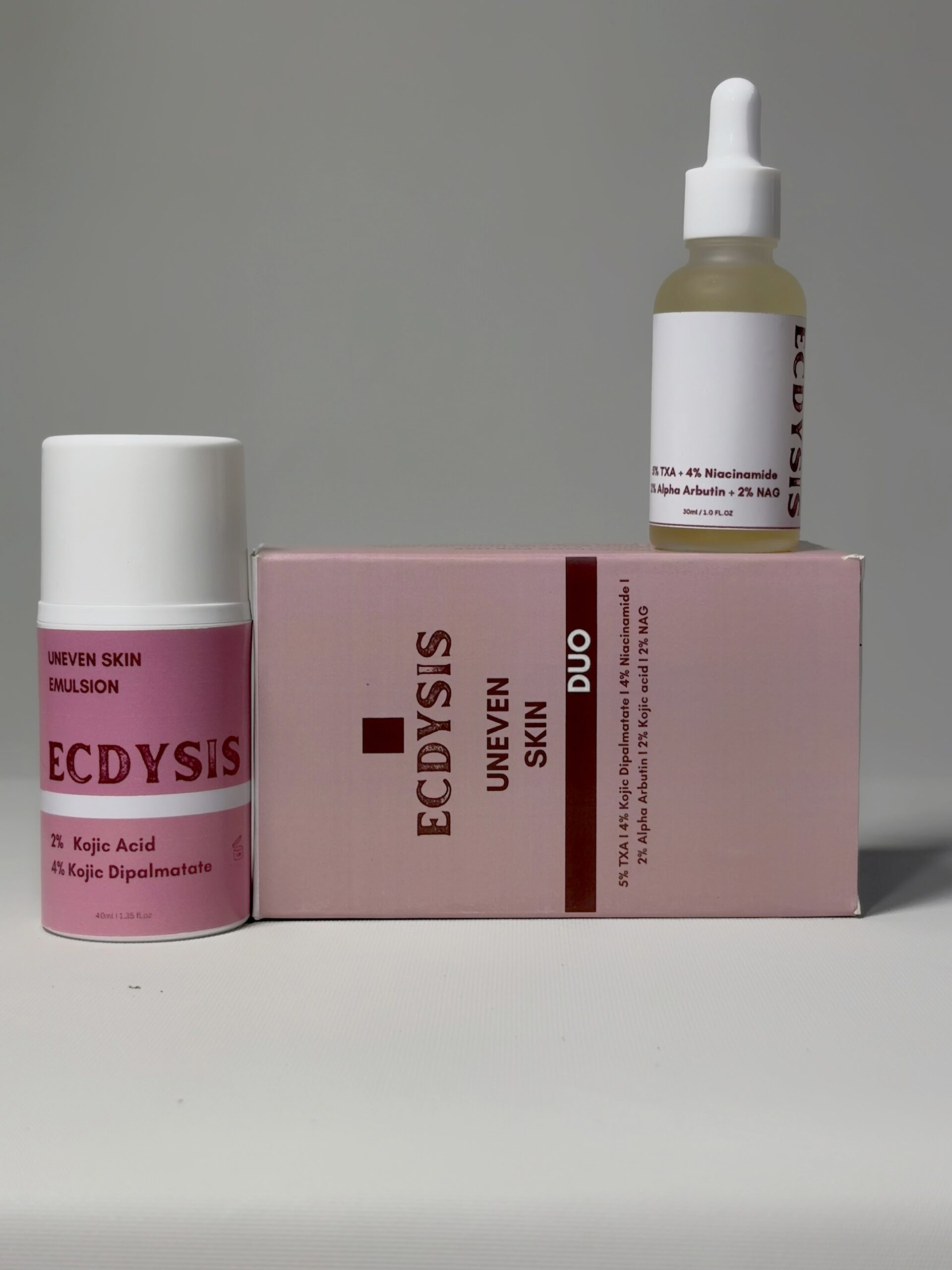
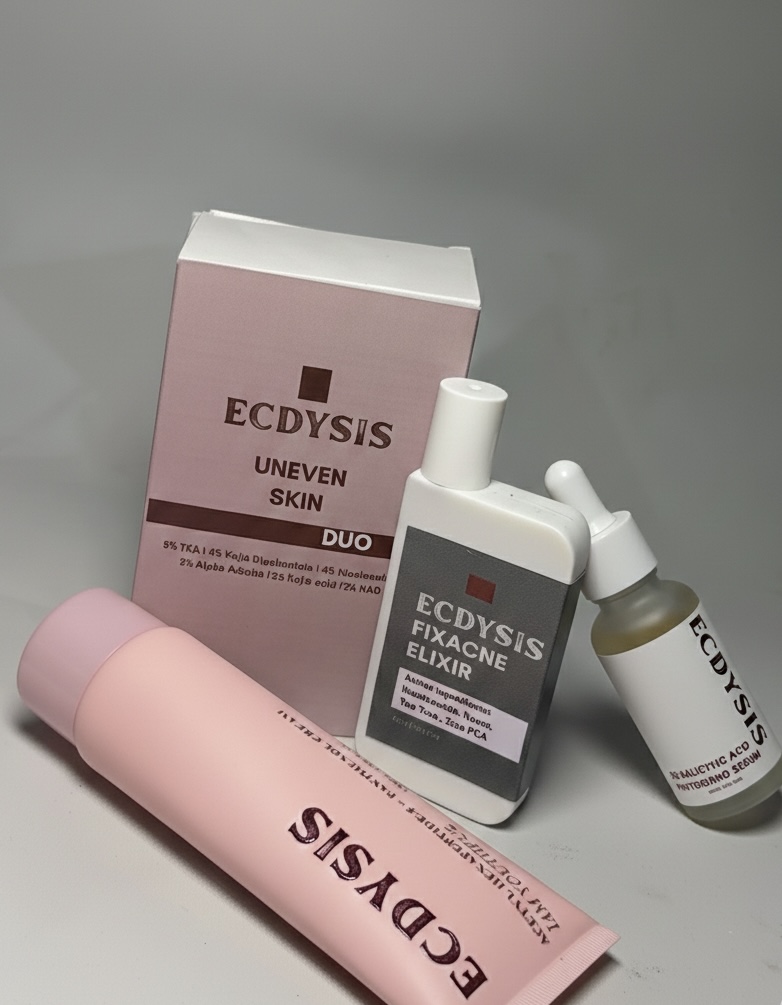
Ecdysis Uneven Skin Duo harnesses the dual action of the Ecdysis Uneven Skin Concentrate and Ecdysis Uneven Skin Emulsion to target all forms of hyperpigmentation at various points in the melanin pathway.
Active Ingredients: 5% Tranexamic acid, 4% Kojic dipalmatate, 4% Niacinamide, 2% Alpha Arbutin, 2% Kojic Acid, 2% N-Acetyl Glucosamine.
Only logged in customers who have purchased this product may leave a review.
Application Period: Nighttime .
A well rounded approach to target hyperpigmentation and achieve brighter, more even skin
| Step | Product | Frequency | Key Benefit |
|---|---|---|---|
|
1 Core Treatment
|
Ecdysis
|
3-4+ nights/week
adjust based on tolerance
|
Reduces melanin production at cellular level |
|
2 Exfoliation Boost
|
• Ecdysis Mandelic Acid 10% + phytomedical blend serum (normal/dry/sensitive skin types ) • Ecdysis Salicylic Acid 2% + phytomedical blend serum (oily/acne-prone skin type) |
1-3 nights/week
Never same night as the uneven skin duo unless tolerated
|
Gently sweeps away dull, pigment-loaded skin cells and helps your other skincare products work even better. |
|
3 Essential Protection
|
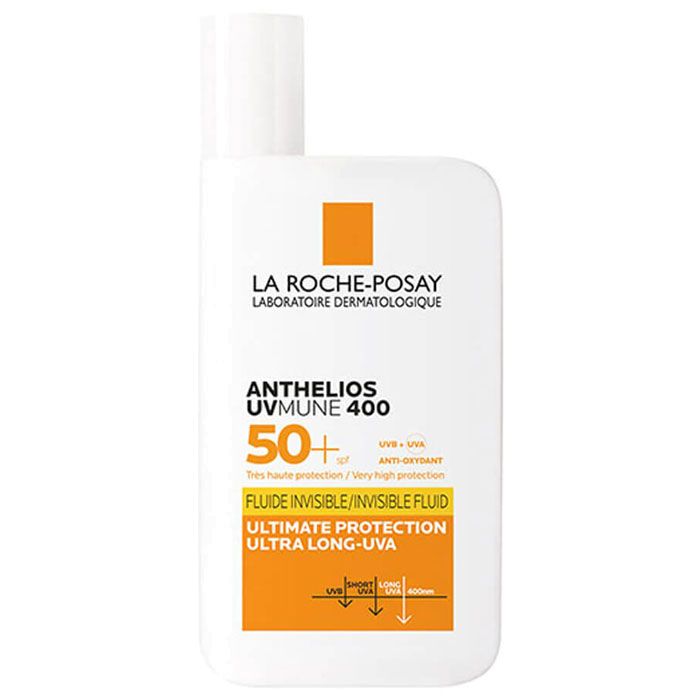
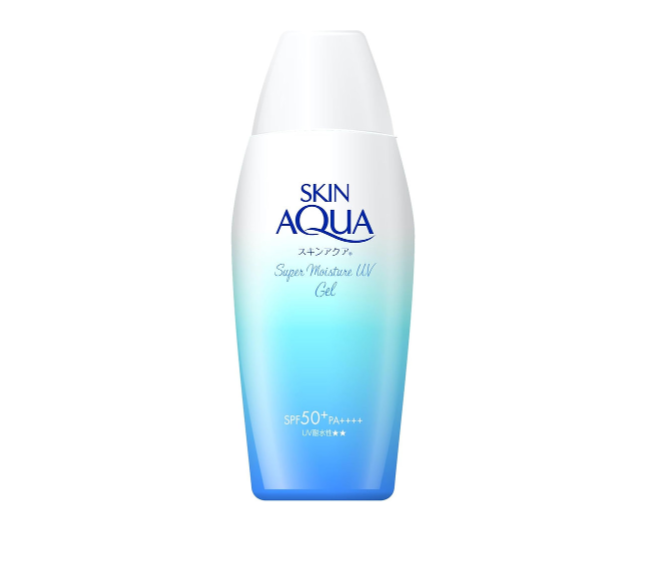
SPF 50+ |
Every morning, last step in your morning skincare routine
|
Protects skin against harmful UV rays and sun damage, preventing new dark spots while supporting a brighter, more even complexion. |
|
4 Hydration Product
|
Ecdysis Acetyl Hexapeptide-8 + Panthenol Cream
|
Morning and night
|
Keeps skin barrier intact preventing sensitivity & inflammation that can trigger extra melanin production |
| pH Level | 4.5–5.5 (Optimally balanced to match skin's natural pH) |
| Size | 40ml each |
| Shelf Life / PAO | 12 months after opening |
| Storage | Cool dry place, away from direct sunlight |
| Texture | Lightweight, fast-absorbing |
Scientific Validation of Ingredients
A prospective 12-week study (n=38, diverse skin types) showed that a serum containing tranexamic acid, niacinamide, and N-acetyl glucosamine significantly reduced global and lesional post-inflammatory hyperpigmentation (PIH) starting at week 4, with continued improvement to week 12. In vitro, TXA inhibited melanogenesis, supporting its cellular mechanism of action. No tolerability issues were reported.
In a large, controlled clinical trial, the pairing of 4% niacinamide + 2% NAG consistently reduced the appearance of hyperpigmentation.
A 2022 review highlights kojic acid as a well-studied tyrosinase inhibitor used for freckles, age spots, post inflammatory hyperpigmentation, and melasma. Clinical data supports its efficacy at ≤2% concentration, though it is limited by stability and irritation risks.
A 2023 review on KDP shows that this ester derivative of kojic acid has improved stability, permeability, and lower toxicity compared to kojic acid and demonstrates potential for more stable long-term skin lightening.
A 2021 review confirms that α-arbutin safely inhibits tyrosinase activity and melanosome maturation, making it a popular and effective skin lightening agent. It is positioned as a safer alternative to hydroquinone, widely used in cosmetic and dermatologic applications for all forms of hyperpigmentation.

Reviews
There are no reviews yet.